
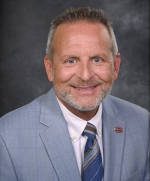



About the County Commissioners
Each commissioner is elected at large to serve a four-year term. The State of Ohio consists of 88 counties all served by a board of county commissioners with the exception of two counties, Cuyahoga and Summit, each of which operates under a Charter form of government.
To learn more about the specific duties and powers of the Board of County Commissioners, refer to Chapter 307 in the Ohio Revised Code.
Responsibilities
The general responsibilities of the Board are centered in the areas of
financial management, management of county facilities, and personnel
administration. The Board exercises its statutory powers in budgeting,
appropriating monies, issuing bonds/notes for capital improvements, levying
taxes for county purposes and serves as the purchasing and contracting agent for
the County. The Board controls county-owned real and personal property. The
Board of County Commissioners works in cooperation with the other elected officials.
Other responsibilities of the commissioners include:
- Hearing and ruling on annexations, road petitions, vacations of alleys/roadways and zoning applications
- Approving drainage improvements through the petition ditch process
- Establishing water and sewer districts and making improvements
- Providing for solid waste disposal
The Board of Miami County Commissioners is directly responsible for the following county offices:
- Animal Shelter
- Communication Center
- Department of Development
- Emergency Management Agency
- Facilities & Maintenance
- Human Resources
- Job and Family Services
- Sanitary Engineering
- Transit
Appointments
The Board of Commissioners appoints an Administrator who oversees the operations of
all departments under the control and jurisdiction of the Board and advises the Board on
the financial condition of the County.
The Board of Commissioners also appoints a full-time Clerk whose duties are to keep a
record of all transactions of the Board, to be the custodian of all the records and
proceedings of the Board and to act as the official witness to all legislative actions
taken by the Commissioners.